Items filtered by date: July 2025
How Negative Pressure Wound Therapy Helps Diabetic Foot Wounds Heal

People with diabetes mellitus face a higher risk of foot wounds that are slow to heal due to poor circulation and nerve damage, which can slow the body’s natural healing process. One treatment used by some podiatrists is negative pressure wound therapy. This method involves placing a special dressing over the wound and connecting it to a gentle suction pump. The controlled suction removes excess fluids and helps draw healthy tissue toward the wound to promote faster healing. Negative pressure wound therapy also reduces swelling and lowers the risk of infection. By keeping the wound cleaner and improving blood flow, this treatment encourages the body to repair damaged tissue more effectively. Some patients find that using this therapy helps their wounds heal more quickly than with standard treatments alone. If you have a diabetic foot wound that is not improving, it is suggested you schedule a visit with a podiatrist to explore your treatment options.
Wound care is an important part in dealing with diabetes. If you have diabetes and a foot wound or would like more information about wound care for diabetics, consult with Nrup Tolat, DPM from Atlanta Total Foot & Ankle Care. Our doctor will assess your condition and provide you with quality foot and ankle treatment.
What Is Wound Care?
Wound care is the practice of taking proper care of a wound. This can range from the smallest to the largest of wounds. While everyone can benefit from proper wound care, it is much more important for diabetics. Diabetics often suffer from poor blood circulation which causes wounds to heal much slower than they would in a non-diabetic.
What Is the Importance of Wound Care?
While it may not seem apparent with small ulcers on the foot, for diabetics, any size ulcer can become infected. Diabetics often also suffer from neuropathy, or nerve loss. This means they might not even feel when they have an ulcer on their foot. If the wound becomes severely infected, amputation may be necessary. Therefore, it is of the upmost importance to properly care for any and all foot wounds.
How to Care for Wounds
The best way to care for foot wounds is to prevent them. For diabetics, this means daily inspections of the feet for any signs of abnormalities or ulcers. It is also recommended to see a podiatrist several times a year for a foot inspection. If you do have an ulcer, run the wound under water to clear dirt from the wound; then apply antibiotic ointment to the wound and cover with a bandage. Bandages should be changed daily and keeping pressure off the wound is smart. It is advised to see a podiatrist, who can keep an eye on it.
If you have any questions please contact our offices located in Woodstock and Atlanta, GA . We offer the newest diagnostic and treatment technologies for all your foot and ankle needs.
Everyday Foot Care Can Be a Simple Step Toward Lasting Health

Everyday foot care involves regular attention to hygiene, moisture control, nail trimming, and inspecting the feet for changes. The feet carry the body through daily routines, and neglecting them can lead to discomfort, infections, or long-term complications. Proper foot care helps prevent common issues such as calluses, fungal infections, ingrown nails, and supports overall mobility and well-being. A podiatrist can provide expert guidance on maintaining healthy feet, identify early signs of potential problems, and offer personalized treatments. From routine care to addressing specific concerns, professional foot care makes a difference. If you want to keep your feet in top shape and prevent future issues, it is suggested that you schedule a visit with a podiatrist who can treat various foot conditions, and guide you on effective everyday foot care practices.
Everyday foot care is very important to prevent infection and other foot ailments. If you need your feet checked, contact Nrup Tolat, DPM from Atlanta Total Foot & Ankle Care. Our doctor can provide the care you need to keep you pain-free and on your feet.
Everyday Foot Care
Often, people take care of their bodies, face and hair more so than they do for their feet. But the feet are a very important aspect of our bodies, and one that we should pay more attention to. Without our feet, we would not be able to perform most daily tasks.
It is best to check your feet regularly to make sure there are no new bruises or cuts that you may not have noticed before. For dry feet, moisturizer can easily be a remedy and can be applied as often as necessary to the affected areas. Wearing shoes that fit well can also help you maintain good foot health, as well as making it easier to walk and do daily activities without the stress or pain of ill-fitting shoes, high heels, or even flip flops. Wearing clean socks with closed shoes is important to ensure that sweat and bacteria do not accumulate within the shoe. Clean socks help to prevent Athlete’s foot, fungi problems, bad odors, and can absorb sweat.
If you have any questions, please feel free to contact our offices located in Woodstock and Atlanta, GA . We offer the newest diagnostic and treatment technologies for all your foot care needs.
Reminder: When Was the Last Time...?

Custom orthotics, or shoe inserts, should be periodically replaced. Orthotics must fit properly to give you the best results. Protect your feet and ankles!
Retrocalcaneal Bursitis
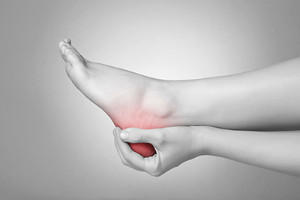
Retrocalcaneal bursitis, also known as heel bursitis, is the inflammation of the fluid-filled sac located between the Achilles tendon and the heel bone. This condition often develops from repetitive stress, overtraining, or wearing poor footwear that places excessive pressure on the back of the heel. Symptoms typically include swelling, redness, and pain when walking or wearing certain shoes. A podiatrist can provide relief through proper diagnosis, custom orthotics, and treatments that reduce inflammation and prevent recurrence. Addressing the root cause is essential for healing and comfort. If you are experiencing persistent heel pain, do not wait. Please promptly schedule an appointment with a podiatrist who can offer appropriate treatment and relief solutions for heel bursitis.
Foot Pain
Foot pain can be extremely painful and debilitating. If you have a foot pain, consult with Nrup Tolat, DPM from Atlanta Total Foot & Ankle Care. Our doctor will assess your condition and provide you with quality foot and ankle treatment.
Causes
Foot pain is a very broad condition that could be caused by one or more ailments. The most common include:
- Bunions
- Hammertoes
- Plantar Fasciitis
- Bone Spurs
- Corns
- Tarsal Tunnel Syndrome
- Ingrown Toenails
- Arthritis (such as Gout, Rheumatoid, and Osteoarthritis)
- Flat Feet
- Injury (from stress fractures, broken toe, foot, ankle, Achilles tendon ruptures, and sprains)
- And more
Diagnosis
To figure out the cause of foot pain, podiatrists utilize several different methods. This can range from simple visual inspections and sensation tests to X-rays and MRI scans. Prior medical history, family medical history, and any recent physical traumatic events will all be taken into consideration for a proper diagnosis.
Treatment
Treatment depends upon the cause of the foot pain. Whether it is resting, staying off the foot, or having surgery; podiatrists have a number of treatment options available for foot pain.
If you have any questions, please feel free to contact our offices located in Woodstock and Atlanta, GA . We offer the newest diagnostic and treatment technologies for all your foot care needs.
Athlete's Foot Is a Common but Treatable Skin Infection
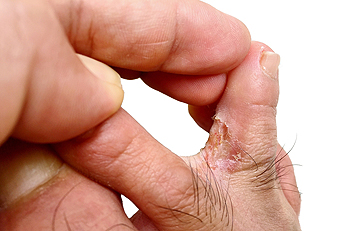
Athlete's foot is a contagious skin infection caused by a fungus that thrives in warm, moist environments. It typically affects the skin between the toes and on the soles of the feet. Risk factors include walking barefoot in communal areas, excessive sweating, and wearing damp socks or tight shoes. Common symptoms are itching, burning, peeling, and cracked skin. If untreated, it can spread or lead to more serious infections. A podiatrist can diagnose the condition, recommend antifungal treatments, and provide advice on proper foot hygiene. If you have symptoms of athlete’s foot, it is suggested that you consult a podiatrist who can accurately diagnose and treat this condition, which may include prescribed medication.
Athlete’s Foot
Athlete’s foot is often an uncomfortable condition to experience. Thankfully, podiatrists specialize in treating athlete’s foot and offer the best treatment options. If you have any questions about athlete’s foot, consult with Nrup Tolat, DPM from Atlanta Total Foot & Ankle Care. Our doctor will assess your condition and provide you with quality treatment.
What Is Athlete’s Foot?
Tinea pedis, more commonly known as athlete’s foot, is a non-serious and common fungal infection of the foot. Athlete’s foot is contagious and can be contracted by touching someone who has it or infected surfaces. The most common places contaminated by it are public showers, locker rooms, and swimming pools. Once contracted, it grows on feet that are left inside moist, dark, and warm shoes and socks.
Prevention
The most effective ways to prevent athlete’s foot include:
- Thoroughly washing and drying feet
- Avoid going barefoot in locker rooms and public showers
- Using shower shoes in public showers
- Wearing socks that allow the feet to breathe
- Changing socks and shoes frequently if you sweat a lot
Symptoms
Athlete’s foot initially occurs as a rash between the toes. However, if left undiagnosed, it can spread to the sides and bottom of the feet, toenails, and if touched by hand, the hands themselves. Symptoms include:
- Redness
- Burning
- Itching
- Scaly and peeling skin
Diagnosis and Treatment
Diagnosis is quick and easy. Skin samples will be taken and either viewed under a microscope or sent to a lab for testing. Sometimes, a podiatrist can diagnose it based on simply looking at it. Once confirmed, treatment options include oral and topical antifungal medications.
If you have any questions, please feel free to contact our offices located in Woodstock and Atlanta, GA . We offer the newest diagnostic and treatment technologies for all your foot care needs.
Finding Relief From Morning Heel Pain
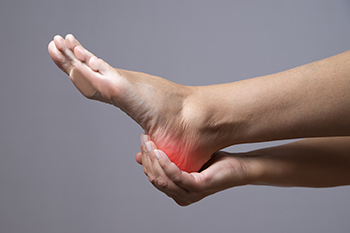
Many people experience soreness near the base of the foot, especially after waking up or standing for long periods ot time. This discomfort often results from strain in the connective tissue that helps support the arch. When this tissue becomes stressed, small tears and inflammation can develop, leading to pain with each step. It can feel sharp, aching, or deep in the heel. This issue is more likely to occur in those who walk often on hard surfaces, wear unsupportive shoes, or have foot structure concerns. Ignoring the early signs may lead to longer recovery times. Simple stretches, footwear changes, or activity adjustments can help manage the condition. If you have pain near your heel or arch, it is suggested that you schedule an appointment with a podiatrist for a proper diagnosis and more advanced treatment.
Many people suffer from bouts of heel pain. For more information, contact Nrup Tolat, DPM of Atlanta Total Foot & Ankle Care. Our doctor can provide the care you need to keep you pain-free and on your feet.
Causes of Heel Pain
Heel pain is often associated with plantar fasciitis. The plantar fascia is a band of tissues that extends along the bottom of the foot. A rip or tear in this ligament can cause inflammation of the tissue.
Achilles tendonitis is another cause of heel pain. Inflammation of the Achilles tendon will cause pain from fractures and muscle tearing. Lack of flexibility is also another symptom.
Heel spurs are another cause of pain. When the tissues of the plantar fascia undergo a great deal of stress, it can lead to ligament separation from the heel bone, causing heel spurs.
Why Might Heel Pain Occur?
- Wearing ill-fitting shoes
- Wearing non-supportive shoes
- Weight change
- Excessive running
Treatments
Heel pain should be treated as soon as possible for immediate results. Keeping your feet in a stress-free environment will help. If you suffer from Achilles tendonitis or plantar fasciitis, applying ice will reduce the swelling. Stretching before an exercise like running will help the muscles. Using all these tips will help make heel pain a condition of the past.
If you have any questions, please feel free to contact our offices located in Woodstock and Atlanta, GA . We offer the newest diagnostic and treatment technologies for all your foot care needs.
