Items filtered by date: February 2026
Heel Fat Pad Syndrome and Persistent Heel Pain
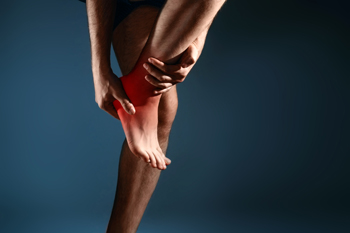
Heel fat pad syndrome occurs when the natural cushioning under the heel becomes thinned, displaced, or less effective. The fat pad is designed to absorb shock during walking and standing. When it loses integrity, the heel bone is exposed to increased pressure. This often leads to deep, bruise-like pain that worsens with weight-bearing activities, especially when walking barefoot or on hard surfaces. Aging, repetitive impact, obesity, prior heel injury, and improper footwear are common contributing factors. Symptoms may feel similar to plantar fasciitis, but the pain is usually centered directly under the heel rather than along the arch. Management focuses on protecting and supporting the heel. Wearing cushioned shoes, heel cups, orthotics, and activity modification can help reduce stress on the area. Addressing walking mechanics and avoiding thin-soled shoes are also helpful. If heel pain continues, it is suggested that you see a podiatrist for a diagnosis and appropriate treatment.
Many people suffer from bouts of heel pain. For more information, contact Nrup Tolat, DPM of Atlanta Total Foot & Ankle Care. Our doctor can provide the care you need to keep you pain-free and on your feet.
Causes of Heel Pain
Heel pain is often associated with plantar fasciitis. The plantar fascia is a band of tissues that extends along the bottom of the foot. A rip or tear in this ligament can cause inflammation of the tissue.
Achilles tendonitis is another cause of heel pain. Inflammation of the Achilles tendon will cause pain from fractures and muscle tearing. Lack of flexibility is also another symptom.
Heel spurs are another cause of pain. When the tissues of the plantar fascia undergo a great deal of stress, it can lead to ligament separation from the heel bone, causing heel spurs.
Why Might Heel Pain Occur?
- Wearing ill-fitting shoes
- Wearing non-supportive shoes
- Weight change
- Excessive running
Treatments
Heel pain should be treated as soon as possible for immediate results. Keeping your feet in a stress-free environment will help. If you suffer from Achilles tendonitis or plantar fasciitis, applying ice will reduce the swelling. Stretching before an exercise like running will help the muscles. Using all these tips will help make heel pain a condition of the past.
If you have any questions, please feel free to contact our offices located in Woodstock and Atlanta, GA . We offer the newest diagnostic and treatment technologies for all your foot care needs.
Causes of Sharp Pain in the Big Toe

Sharp pain in the big toe can result from several underlying conditions that affect joints, bones, and soft tissues. Gout is an inflammatory arthritis caused by uric acid buildup in the joint, leading to sudden and intense pain. Sesamoiditis is irritation of the two small bones beneath the big toe joint, often due to repetitive pressure or overuse. Turf toe is a sprain of the big toe joint caused by forced upward bending, commonly seen in active individuals. Additionally, toe lumps may form from joint changes, cysts, or soft tissue swelling and can create pressure and discomfort. A podiatrist can accurately diagnose the cause of pain in the big toe, provide targeted treatment, and help prevent further damage. If you have pain in this part of your foot, it is suggested that you consult a podiatrist who can accurately diagnose and treat what may be going on.
Toe pain can disrupt your daily activities. If you have any concerns, contact Nrup Tolat, DPM of Atlanta Total Foot & Ankle Care. Our doctor can provide the care you need to keep you pain-free and on your feet.
What Causes Toe Pain?
Most severe toe pain is caused due to a sports injury, trauma from dropping something heavy on the toe, or bumping into something rigid. Other problems can develop over time for various reasons.
Toe pain can be caused by one or more ailments. The most common include:
- Trauma
- Sports injury
- Wearing shoes that are too tight
- Arthritis
- Gout
- Corns and calluses
- Hammertoe
- Bunions
- Blisters
- Ingrown toenails
- Sprains
- Fractures (broken bones)
- Dislocations
When to See a Podiatrist
- Severe pain
- Persistent pain that lasts more than a week
- Signs of infection
- Continued swelling
- Pain that prevents walking
Diagnosis
In many cases the cause of toe pain is obvious, but in others, a podiatrist may want to use more advanced methods to determine the problem. These can range from simple visual inspections and sensation tests to X-rays and MRI scans. Prior medical history, family medical history, and any recent physical traumatic events will all be taken into consideration for a proper diagnosis.
Treatment
Treatments for toe pain and injuries vary and may include shoe inserts, padding, taping, medicines, injections, and in some cases, surgery. If you believe that you have broken a toe, please see a podiatrist as soon as possible.
If you have any questions please contact our offices located in Woodstock and Atlanta, GA . We offer the newest diagnostic and treatment technologies for all your foot and ankle needs.
Are Bunions Affecting Your Everyday Life?
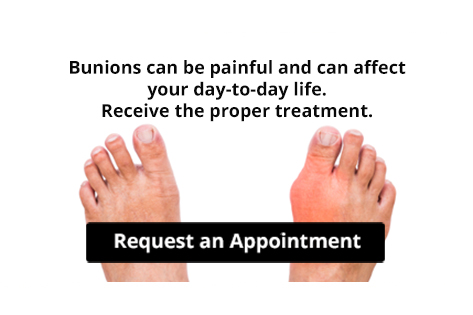
Have you noticed a bony protrusion on the side of your big toe? If so, you may have developed the foot condition known as a bunion. Don't let bunions interfere with your daily activities.
Improving Ankle Strength With Exercise
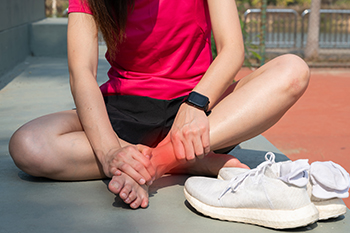
Weak ankle muscles and reduced joint control can contribute to repeated sprains, instability, and discomfort along the foot and lower leg. Structured ankle strengthening exercises focus on improving muscle endurance, joint awareness, and controlled movement around the ankle joint. These exercises often target muscles that support side to side motion, forward movement, and stability during weight-bearing tasks. Improving ankle strength can also enhance coordination between the foot and lower leg, helping the body respond more effectively to uneven surfaces or sudden changes in direction. A podiatrist can evaluate ankle alignment, walking patterns, and muscle imbalances that may limit progress. Based on this assessment, a podiatrist may recommend specific exercises, supportive devices, or adjustments to activity demands to improve ankle function safely. For help in strengthening weak ankles, it is suggested that you make an appointment with a podiatrist for an exam, diagnosis, and treatment.
Exercising your feet regularly with the proper foot wear is a great way to prevent injuries and build strength. If you have any concerns about your feet, contact Nrup Tolat, DPM from Atlanta Total Foot & Ankle Care. Our doctor can provide the care you need to keep you pain-free and on your feet.
Exercise for Your Feet
Exercise for your feet can help you gain strength, mobility and flexibility in your feet. They say that strengthening your feet can be just as rewarding as strengthening another part of the body. Your feet are very important, and we often forget about them in our daily tasks. But it is because of our feet that are we able to get going and do what we need to. For those of us fortunate enough to not have any foot problems, it is an important gesture to take care of them to ensure good health in the long run.
Some foot health exercises can include ankle pumps, tip-toeing, toe rises, lifting off the floor doing reps and sets, and flexing the toes. It is best to speak with Our doctor to determine an appropriate regimen for your needs. Everyone’s needs and bodies are different, and the activities required to maintain strength in the feet vary from individual to individual.
Once you get into a routine of doing regular exercise, you may notice a difference in your feet and how strong they may become.
If you have any questions, please feel free to contact our offices located in Woodstock and Atlanta, GA . We offer the newest diagnostic and treatment technologies for all your foot care needs.
Pain Related to Wearing High Heels

High-heeled shoes can alter foot posture and place stress on the feet and ankles. Elevating the heel shifts body weight forward, increasing pressure under the ball of the foot and compressing the toes. This change in alignment can strain joints, irritate nerves, and overload soft tissues that help stabilize the arch. Patients may notice burning pain beneath the forefoot, aching in the heel, stiffness through the mid-foot, or soreness around the ankle. A narrow toe box can crowd the toes, contributing to bunions, hammertoes, and possible ingrown toenails. A podiatrist evaluates gait, joint motion, and areas of pressure to identify the source of pain. Treatment options include padding, orthotic devices to redistribute load, and guidance on shoe choices. If you feel pain after wearing high-heeled shoes, it is suggested that you make an appointment with a podiatrist for an exam, diagnosis, and treatment options.
High heels have a history of causing foot and ankle problems. If you have any concerns about your feet or ankles, contact Nrup Tolat, DPM from Atlanta Total Foot & Ankle Care. Our doctor can provide the care you need to keep you pain-free and on your feet.
Effects of High Heels on the Feet
High heels are popular shoes among women because of their many styles and societal appeal. Despite this, high heels can still cause many health problems if worn too frequently.
Which Parts of My Body Will Be Affected by High Heels?
- Ankle Joints
- Achilles Tendon – May shorten and stiffen with prolonged wear
- Balls of the Feet
- Knees – Heels cause the knees to bend constantly, creating stress on them
- Back – They decrease the spine’s ability to absorb shock, which may lead to back pain. The vertebrae of the lower back may compress.
What Kinds of Foot Problems Can Develop from Wearing High Heels?
- Corns
- Calluses
- Hammertoe
- Bunions
- Morton’s Neuroma
- Plantar Fasciitis
How Can I Still Wear High Heels and Maintain Foot Health?
If you want to wear high heeled shoes, make sure that you are not wearing them every day, as this will help prevent long term physical problems. Try wearing thicker heels as opposed to stilettos to distribute weight more evenly across the feet. Always make sure you are wearing the proper shoes for the right occasion, such as sneakers for exercising. If you walk to work, try carrying your heels with you and changing into them once you arrive at work. Adding inserts to your heels can help cushion your feet and absorb shock. Full foot inserts or metatarsal pads are available.
If you have any questions, please feel free to contact our offices located in Woodstock and Atlanta, GA . We offer the newest diagnostic and treatment technologies for all your foot care needs.
